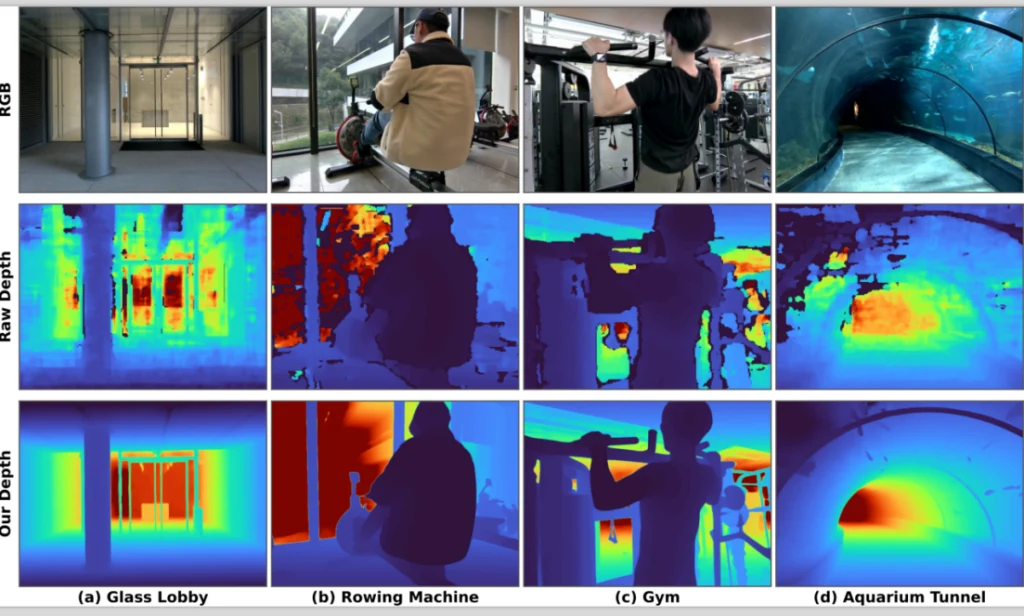
The glass is there. In a color image its outline may be obvious, while a depth measurement leaves a gap where the robot needs a surface. The temptation is to describe the missing geometry as a camera problem and buy another camera. Orbbec and Robbyant are pursuing a complementary response: use a learned model to improve what the sensor delivers. That moves a difficult question closer to the robot’s controller. Which parts of its world were measured, and which were reconstructed?
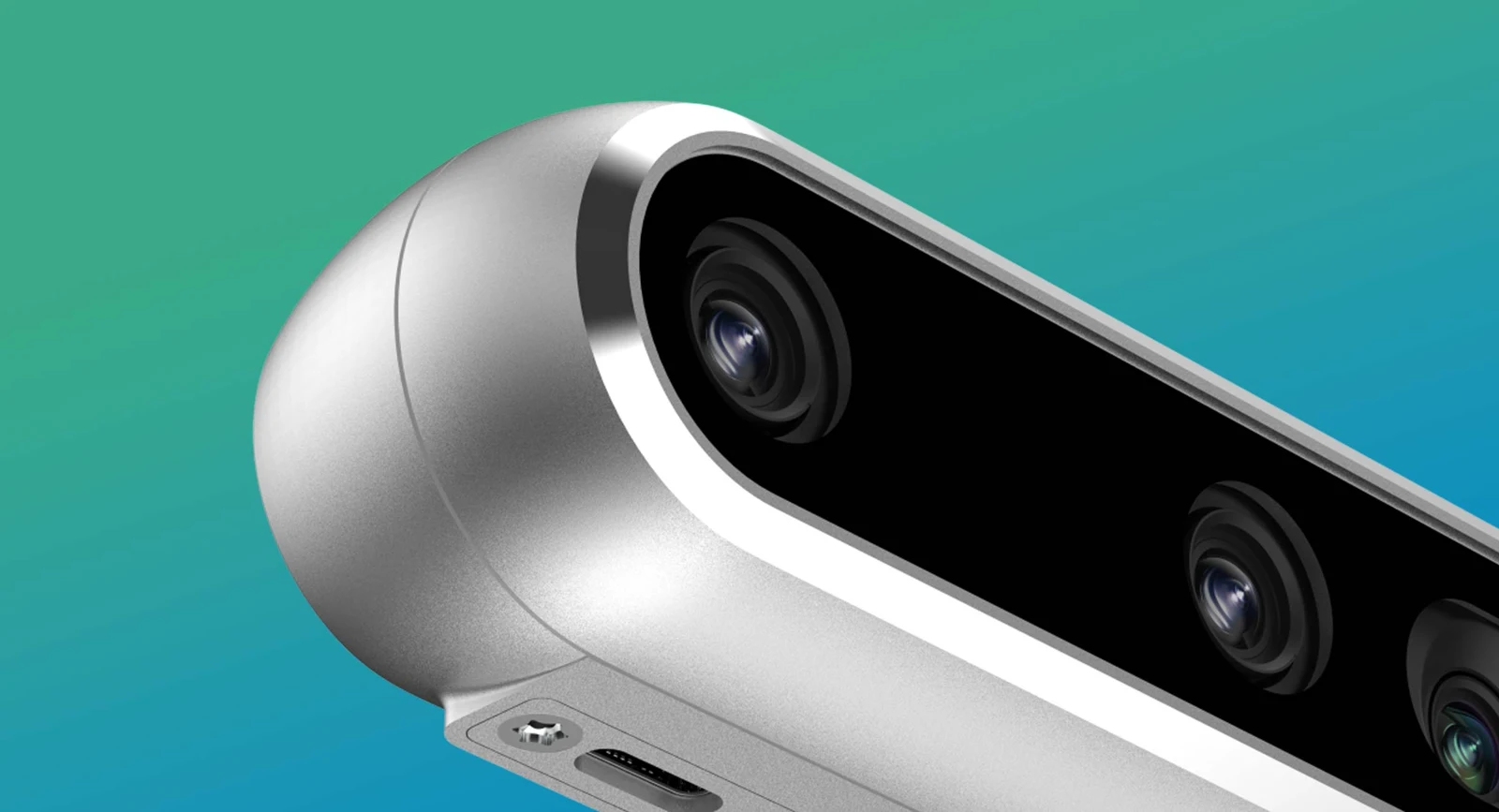
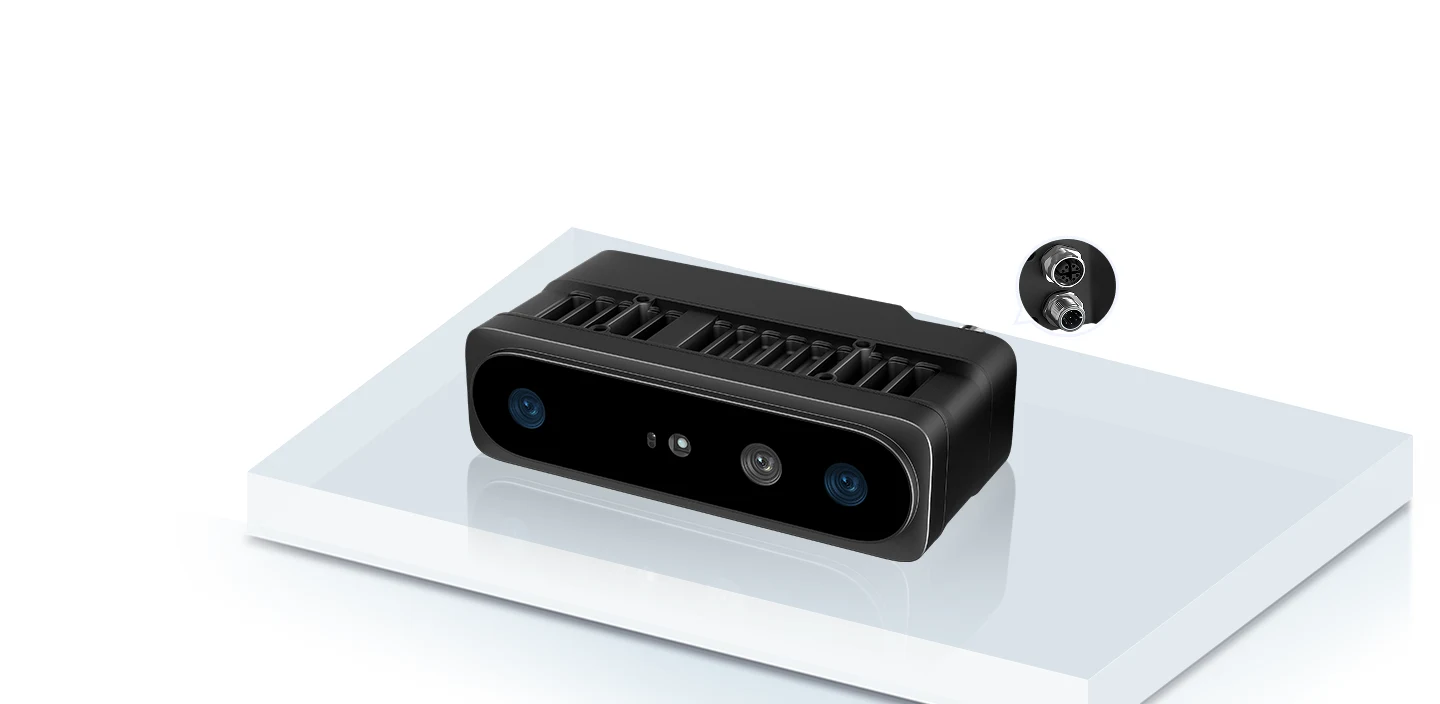
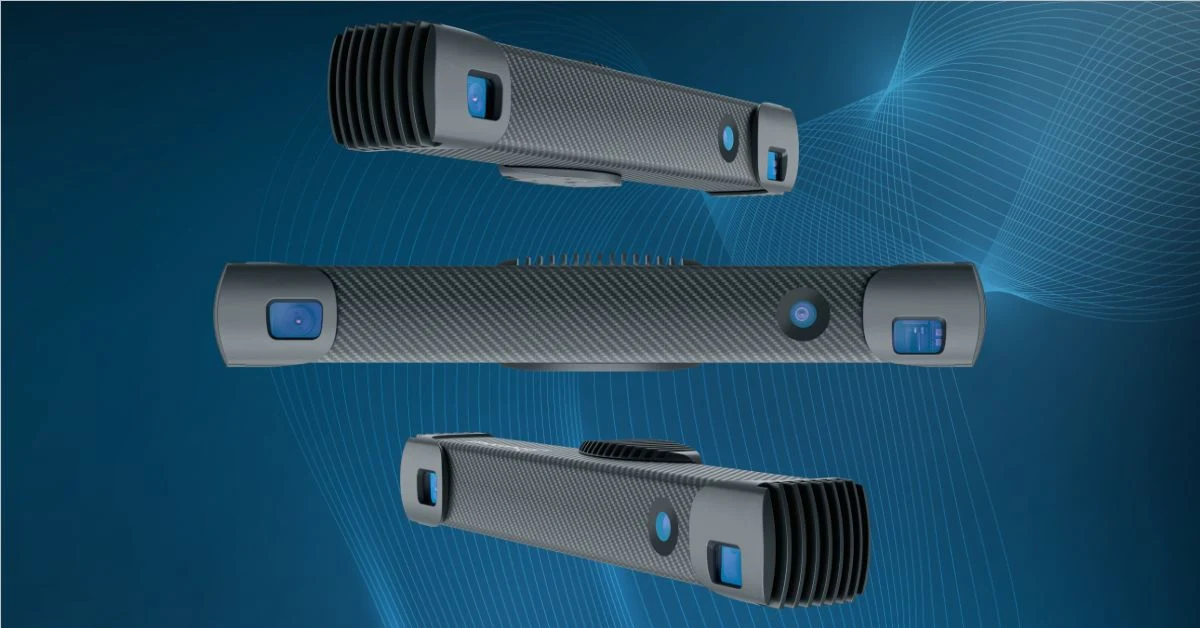
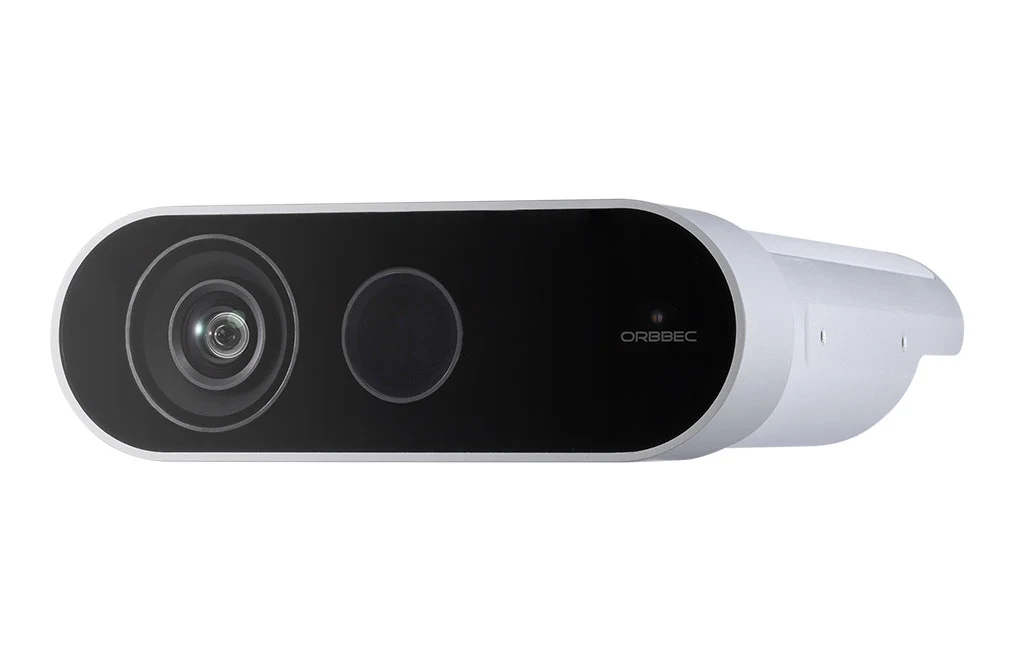
Their LingBot-Depth collaboration combines Orbbec depth hardware with Robbyant’s spatial perception model. In the partnership announcement, Orbbec described a method that uses image appearance and scene context to restore incomplete depth. The hardware remains part of the process, supplying measurements on which the model can build. This is not a claim that an ordinary photograph alone establishes reliable geometry for every physical task.
The announcement itself needs careful dating. Its page is marked February 2, 2026, but the opening dateline says January 27, 2025. Orbbec’s July 2026 update explicitly places the first open-source LingBot-Depth release in January 2026. This article uses that later chronology and does not silently treat the contradictory dateline as settled. Source inconsistencies are particularly worth preserving when a rapidly evolving model has several releases and product forms.
Robbyant’s official repository provides a separate primary account of the research implementation. It describes depth completion and refinement and records a February 15, 2026 model update that fixed a previous bug. It also lists a public dataset of three million RGB-D examples. These are developer disclosures, not an outside audit, but they make the work more inspectable than a demonstration alone. Readers should distinguish that public research release from subsequent commercial integrations bearing the same family name.
“a stable, high-fidelity, and physically grounded data foundation”
In a July 7 update, Orbbec reported a newer LingBot-Depth 2.0 model trained on 150 million samples and leading 12 of 16 depth-completion evaluations. Those results are company-reported. Sample counts across releases should not be read as a directly comparable measure of training quality without understanding their construction. More importantly, benchmark depth error and a robot’s completed task rate are different outcomes. An improvement in the former does not establish a particular gain in the latter.
Deployment also has a compute bill. Orbbec’s Enhanced Depth Filter documentation specifies JetPack 6.2 and per-device licensing. It reports 43 milliseconds of latency under a stated AGX Orin test configuration at 640 by 480 resolution, with maximum-power settings and locked clocks. That figure should travel with those conditions. It is not a promise for an arbitrary robot computer, particularly one already sharing its resources among navigation, planning and other workloads.
The engineering opportunity is substantial in principle. If reconstruction gives a planner a more useful description of an otherwise incomplete scene, a machine may attempt tasks that previously required another observation or human intervention. But completion also creates an obligation to test uncertainty. A dense map can look reassuring even when an inferred edge is wrong. Operators need a way to decide when another viewpoint, a slower approach or a refusal to act is the appropriate response.
A convincing evaluation would therefore preserve raw measurements alongside enhanced outputs and action logs. Test unfamiliar transparent objects, partial occlusions and illumination changes. Compare the errors that matter to the task, not just the visual smoothness of the map. Ask how the system behaves when its reconstruction is plausible but unsuitable for the intended grasp. These are proposed checks, not failures reported for LingBot. They follow from putting learned interpretation between a sensor and a moving machine.
This is the larger direction the partnership illustrates. Robot sight is becoming a negotiated product of optics, silicon and learned models. Better reconstruction could make existing cameras more useful, but the robot must still know when the world is insufficiently understood. The compelling achievement would be more than a filled hole in an image. It would be a machine that can use the additional geometry, recognize its limits and make a better decision before it acts.