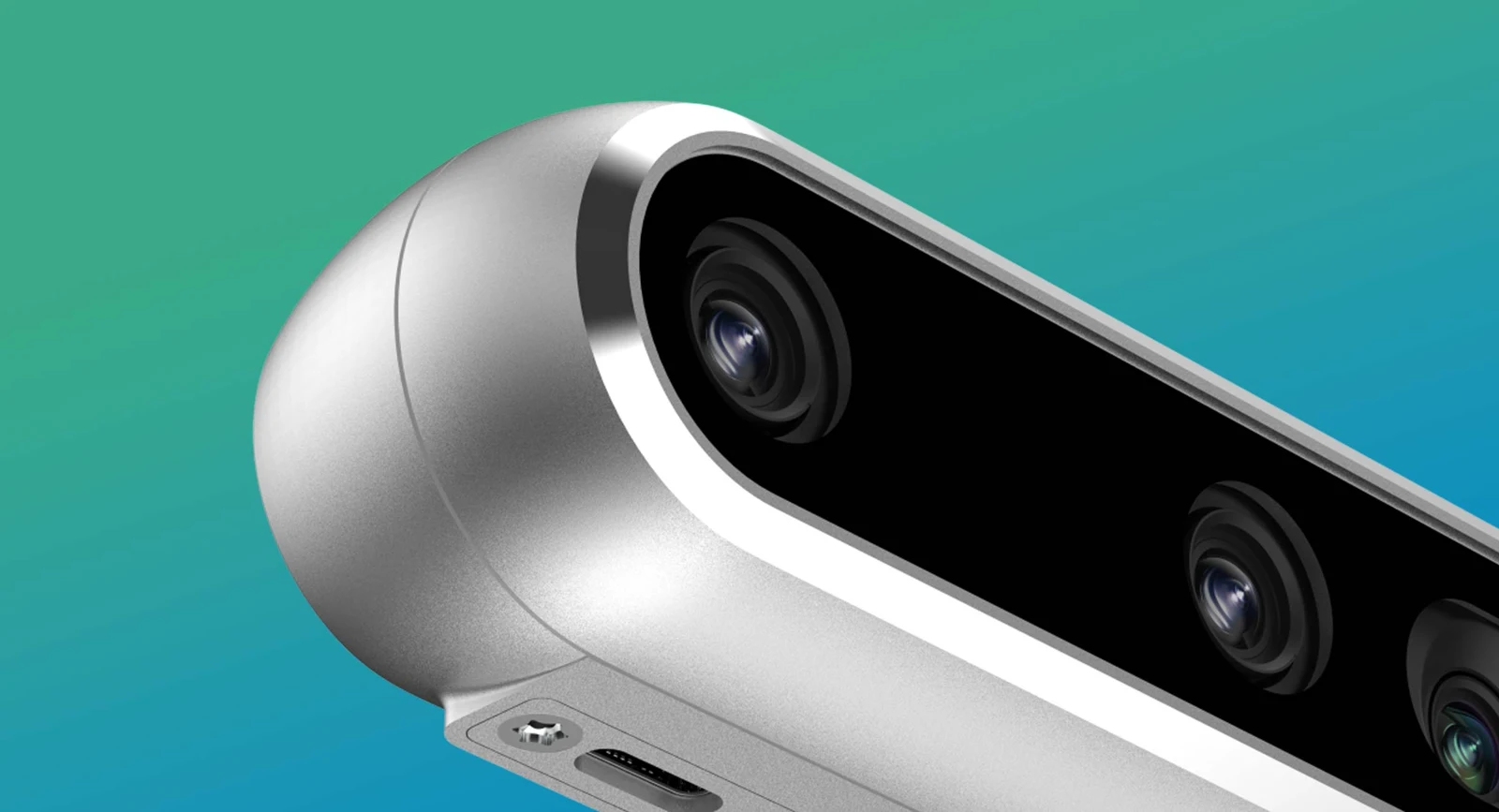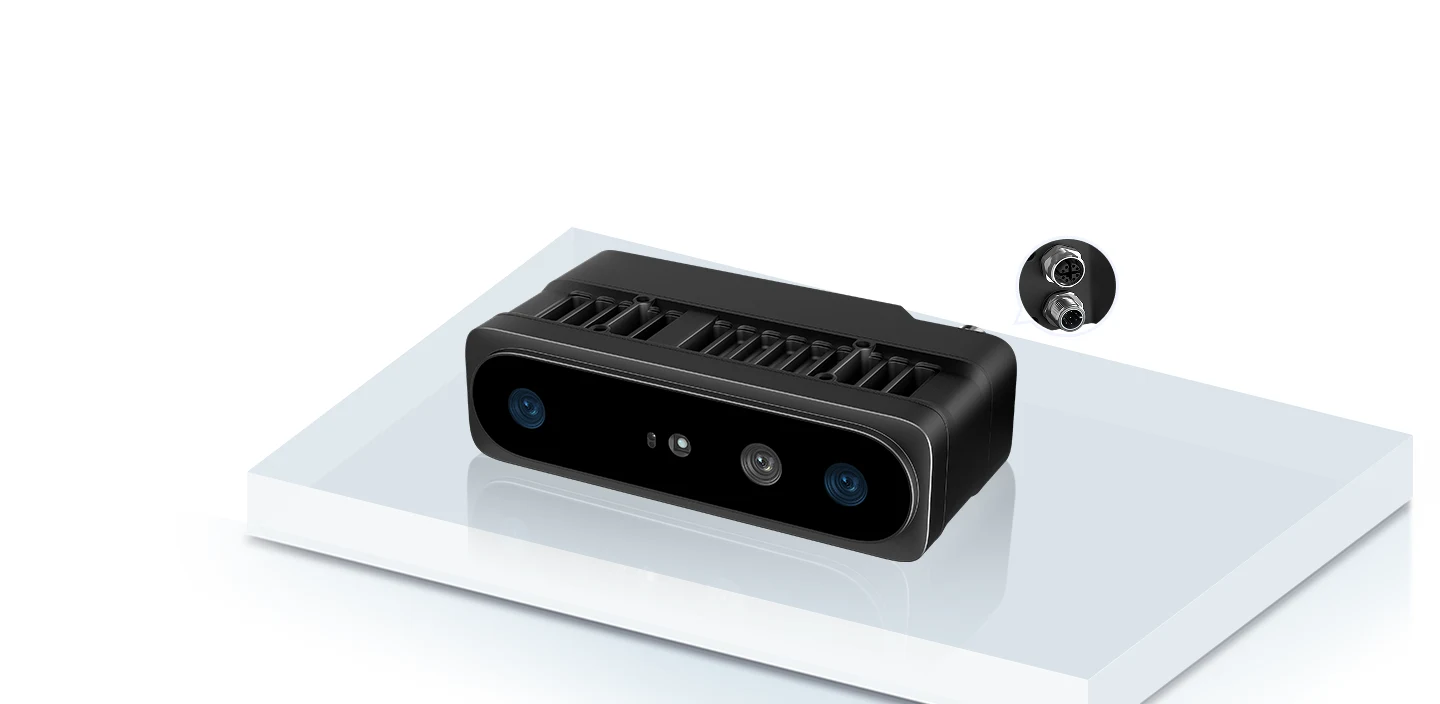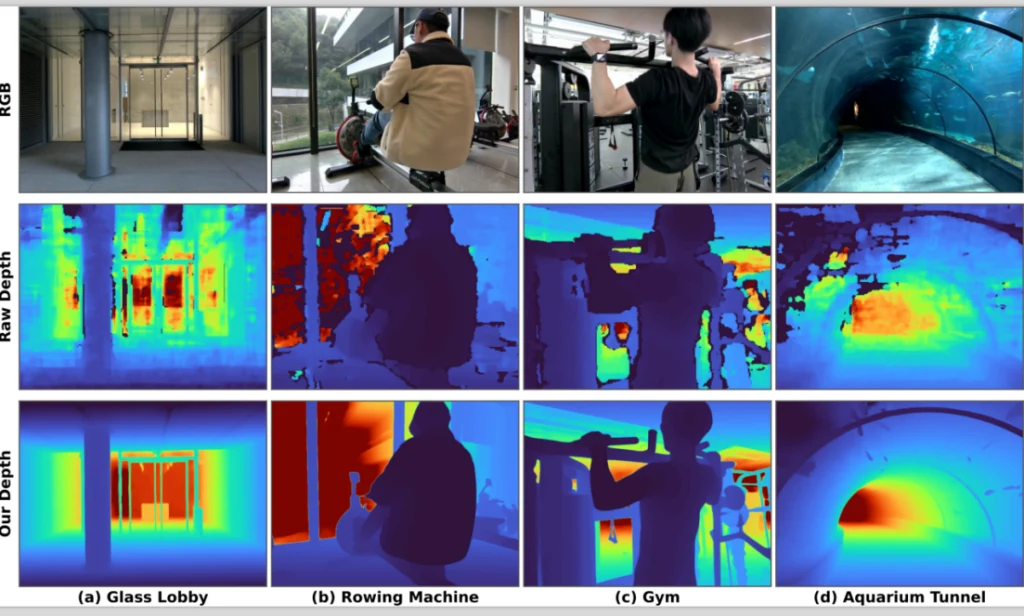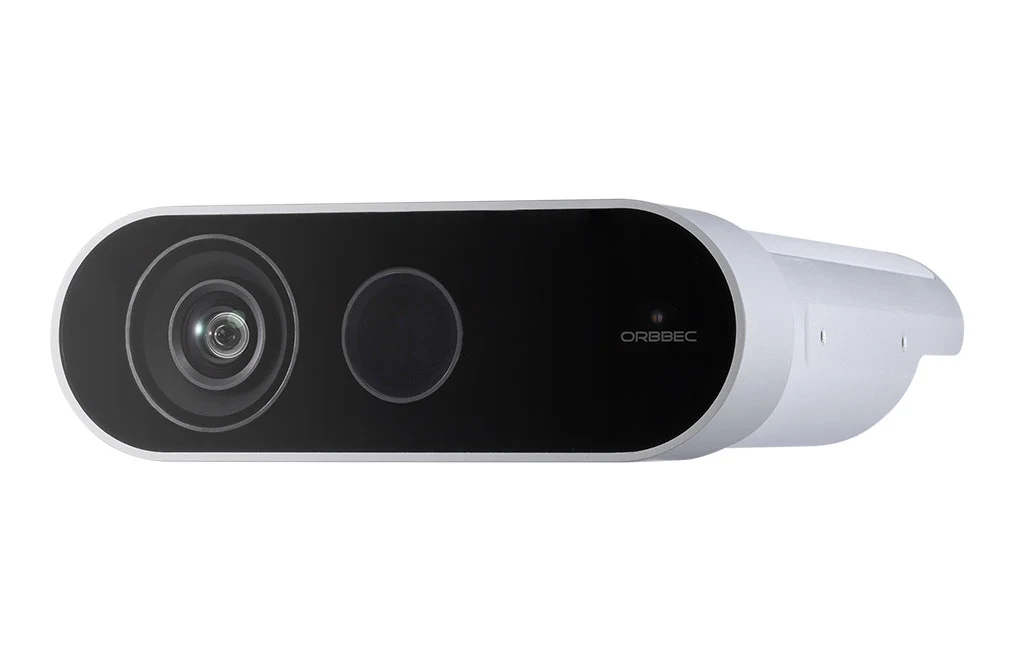
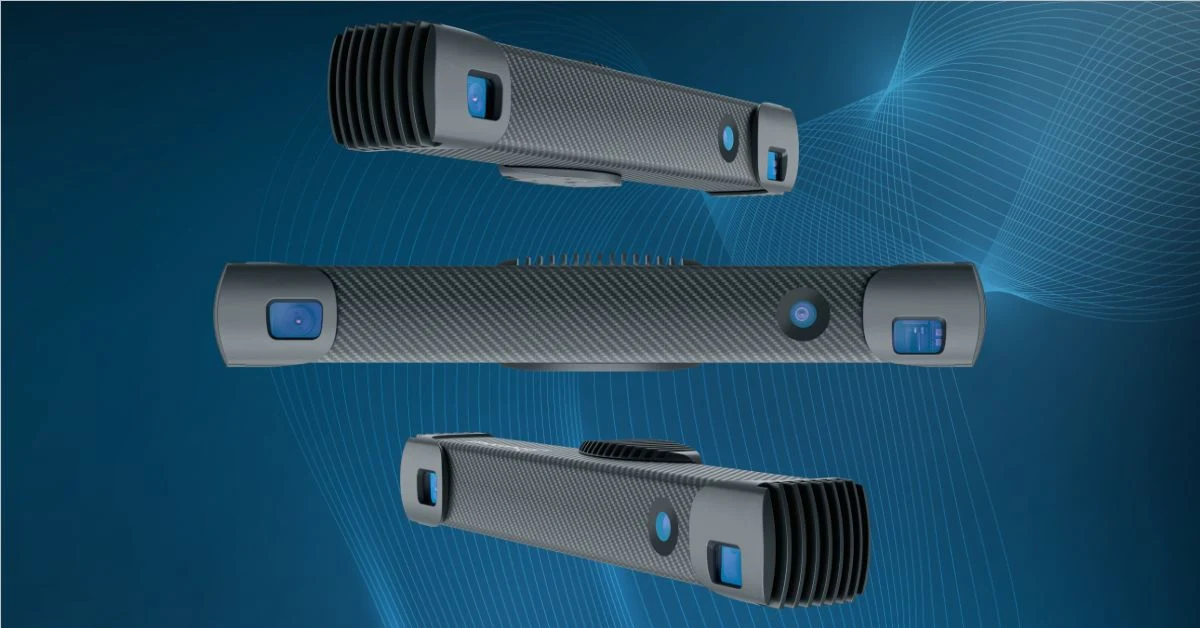
A layer of shrink wrap can be almost invisible to a person and troublesome to a machine. It covers the object a robot wants to grasp while changing how light returns to a camera. In an automated cell, the useful question is not whether the package looks recognizable. It is whether the system can recover the surface geometry required to pick it without an expensive exception. That is the industrial stake behind Photoneo’s blue-laser camera.
Photoneo announced the MotionCam-3D Color (Blue) on May 22, 2025. The company described a stronger blue projection unit, additional component changes and its parallel structured light technology. Its launch claims included 25% better reconstruction of difficult materials and a 50% improvement in scanning performance. Those figures are Photoneo’s comparisons, not independently established improvements across every application. The launch account does not give readers a universal test protocol from which to predict their own results.
The distinction matters because the hard surface is often the important surface. A system that produces excellent geometry on an easy carton may still leave an integrator with a manual process for the awkward arrivals. The commercial question is whether a camera reduces those exceptions in the actual product mix. That cannot be answered by a single attractive point cloud. It requires knowing what failed, how often and what the robot did next.
The Robot Report’s public coverage notice also presented the release as an attempt to improve perception of challenging materials. Here, the detailed performance numbers remain attributed to Photoneo. Its later technical Q&A provides a useful second primary document about operating considerations, although it is still the manufacturer speaking. Agreement between company documents is a consistency check, not independent validation. No customer trial establishing a general improvement in completed picks was identified in the reviewed material.
“significantly improving the scanning of transparent, reflective, and metallic objects”
The blue model also belongs to an existing technical lineage. Photoneo carried forward parallel structured light from the MotionCam family, rather than presenting the projector color as the entire invention. That matters when assessing the announcement: sensor architecture, illumination and processing form a measurement system together. A sensible evaluation would compare complete outputs under the same scene conditions, avoiding an explanation in which a change of wavelength alone accounts for every improvement.
Motion adds another layer to the purchase decision. If a picking application needs to pause objects for observation, perception becomes part of the production sequence. If it can observe them while moving, the planner still has to associate each measurement with the right object and moment. Faster image acquisition only becomes useful capacity when the rest of the cell can exploit it. This is a systems implication, not a claim that the camera automatically increases the throughput of every conveyor.
Photoneo’s August 13, 2025 Q&A offers an unusually concrete reminder that cameras remain physical equipment. It says Autonomous Maintenance checks and corrects internal calibration, but cannot remove dirt from the sensor windows. Cleaning still requires a maintenance procedure. The same Q&A puts synchronization of multiple sensors in the user’s hands when using the API. Those disclosures bring the story back from launch language to the people responsible for keeping a cell running.
An acceptance trial should therefore include the unflattering cases: actual wrap, actual illumination, the intended movement and the camera after a realistic maintenance interval. Record unsuccessful reconstructions alongside successful picks. Separate a failure to observe an object from a failure to plan a grasp or execute it. Otherwise a promising sensor can be blamed for a gripper problem, or credited for a throughput gain produced elsewhere. The objective is a clear account of where vision improves the operation.
Photoneo is pursuing a real bottleneck in the race to build useful robots: the gap between an object being present and its surface being measurable. The promise deserves attention because wrapped and reflective goods are ordinary industrial objects, not exotic edge cases invented for a demonstration. The next proof belongs on the line, where the result is a completed pick and where the troublesome package is allowed to arrive again.